
Turning your passion for sports into a full-time career can feel like a daunting leap. Yet with the right preparation and approach, making this transition in the UK is entirely feasible. This guide breaks down the essential steps you need to follow, from understanding the sports industry landscape here in the UK to managing the psychological shift from amateur to professional. Let's explore how you can nurture your athletic skills, build networks, and secure that all-important funding in order to make your dream a reality.
Table of Contents
- Understanding the UK Sports Industry Landscape
- Identifying and Leveraging Your Unique Athletic Skills
- Building Your Professional Network within the Sports Community
- Securing Funding and Sponsorship Opportunities
- Managing the Psychological Shift from Amateur to Professional
- Navigating Legal and Financial Aspects of Becoming a Professional Athlete
- Crafting a Long-term Career Plan Beyond Active Sports
Key Takeaways
| Point | Details |
|---|---|
| Understand the UK sports industry. | Knowing how the industry operates is crucial for aligning your career goals with realistic opportunities. |
| Unique skills are your selling point. | Identifying what sets you apart can help you stand out to agents and sponsors. |
| Networking opens doors. | Building relationships within the sports community is vital for professional growth and finding opportunities. |
| Prepare for financial and legal responsibilities. | Understanding contracts and financial management will safeguard your career. |
Understanding the UK Sports Industry Landscape
The UK sports industry offers a diverse mix of opportunities, from football and rugby to athletics and beyond. Each sport has its governing body, like the FA for football or UK Athletics for track and field events. Understanding how these organisations work is pivotal.
Familiarise yourself with the competitive structure, such as league systems and the significance of major events. Stay updated with industry trends by following trade publications and official reports.
- ●Identify key organisations relevant to your sport.
- ●Understand the pathway from amateur to professional levels.
- ●Research current trends and new developments.
Pro Tip: Attend industry networking events to gain insights into the commercial aspects of your sport.
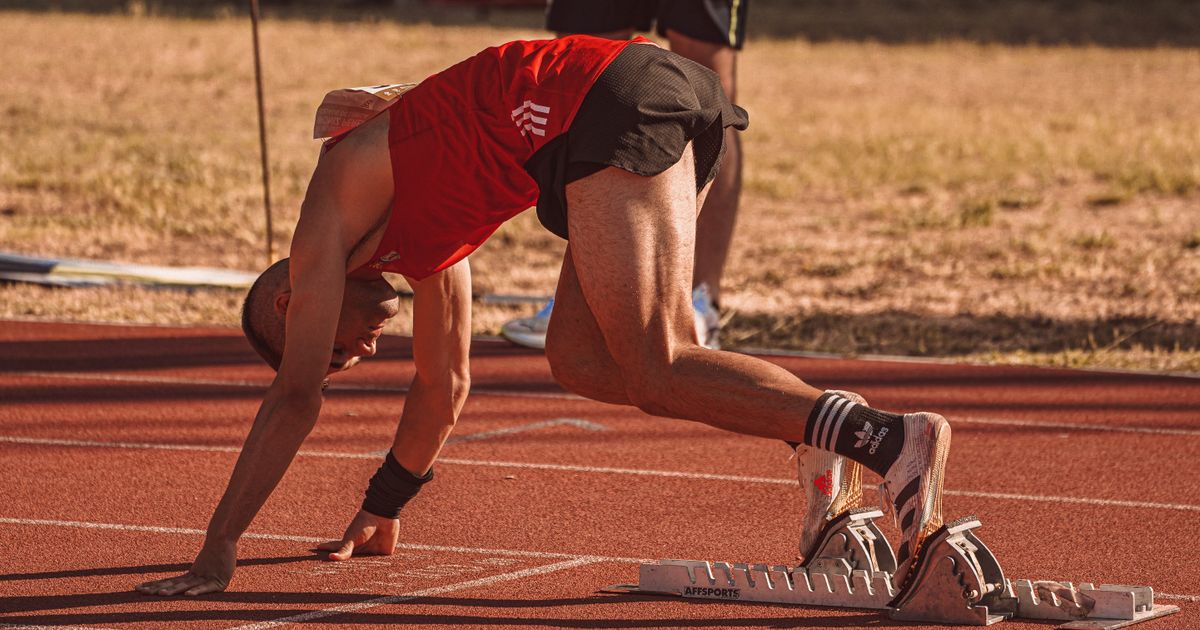
Photo: RUN 4 FFWPU
Identifying and Leveraging Your Unique Athletic Skills
Every athlete has unique attributes that set them apart. This could be physical prowess, strategic thinking, or leadership qualities. Identifying these strengths allows you to tailor your training and marketing efforts.
Consider undertaking a formal assessment with a coach or a sports psychologist to gain deeper insights into your abilities.
- ●Compile a list of your key skills and achievements.
- ●Seek feedback from coaches or mentors to identify blind spots.
- ●Create a personal development plan to enhance identified skills.
Pro Tip: Document your progress with video footage and statistics to showcase your skills to potential sponsors.

Photo: Pavel Danilyuk
Building Your Professional Network within the Sports Community
Networking is invaluable in sports as it facilitates connections with coaches, agents, and sponsors. Engage actively in community events, online forums, and social media platforms.
Consider joining professional associations or clubs which often have dedicated networking events.
- ●Attend industry conferences and workshops.
- ●Engage with community sports groups on social media.
- ●Maintain and update a professional online presence.
Pro Tip: Follow key influencers and organisations in your sport on LinkedIn and Twitter, and actively engage with their content.

Photo: Matheus Lara
Securing Funding and Sponsorship Opportunities
Funding can ease the financial burden of training and competition costs. Apply for grants through sporting charities, and consider financial aid from governing bodies.
Sponsorships are another avenue. Create a professional proposal outlining your credentials and what you can offer a potential sponsor.
- ●Research available grants and scholarships.
- ●Prepare a professional sponsorship proposal.
- ●Identify local businesses that might be interested in sponsorship.
Pro Tip: Pitch to local businesses with a community-focused angle, showing how sponsoring you benefits them too.

Photo: Tima Miroshnichenko
Managing the Psychological Shift from Amateur to Professional
Transitioning to professional sports is as much a mental shift as it is physical. Establish a routine that supports mental health, addressing stress and the pressures of competition.
Work with sports psychologists to develop resilience and coping mechanisms for the demands of professional sports.
- ●Set realistic and achievable short-term goals.
- ●Incorporate mental health practices such as mindfulness or yoga into your training routine.
- ●Regularly consult with a sports psychologist.
Pro Tip: Cultivate a support system of peers and mentors who understand the unique challenges of professional sports.

Photo: RDNE Stock project
Navigating Legal and Financial Aspects of Becoming a Professional Athlete
Understanding contracts and financial management is crucial. Hire a sports agent or consultant to guide you through contracts and negotiations.
Also, consider setting up a business account to manage income and expenses, ensuring you comply with tax obligations.
- ●Seek legal advice on contracts and negotiations.
- ●Set up a robust system for tracking income and expenses.
- ●Stay informed about tax regulations affecting athletes.
Pro Tip: Regular financial reviews with a professional can prevent common pitfalls and ensure compliance.
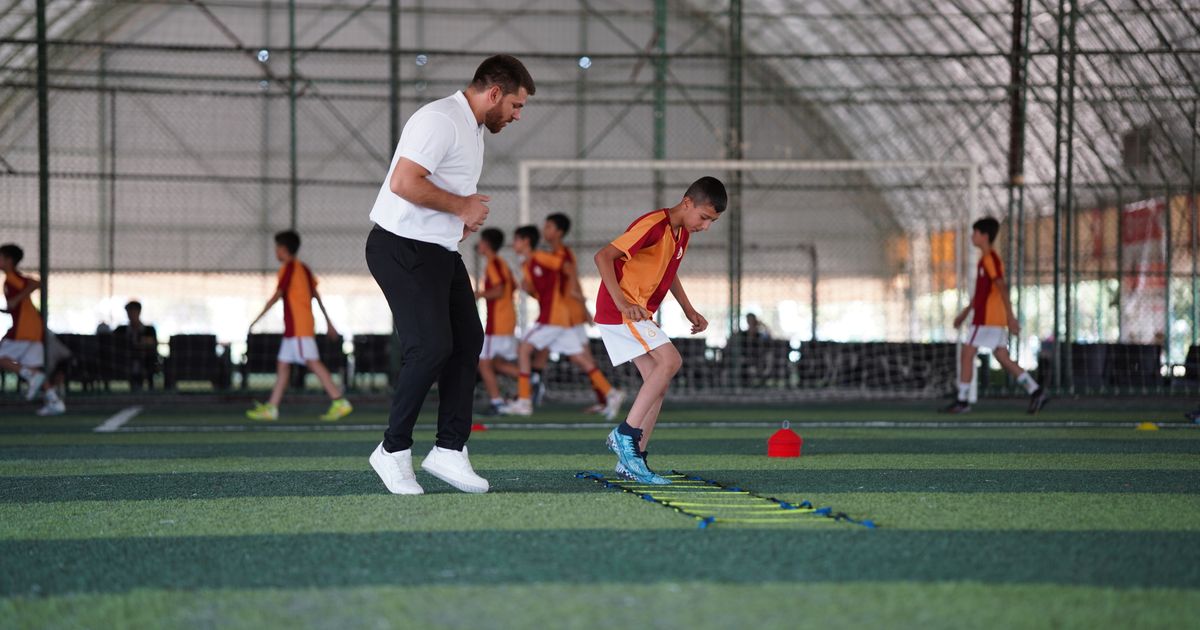
Photo: SERHAT TUĞ
Crafting a Long-term Career Plan Beyond Active Sports
Given the finite nature of active sports careers, plan for life after retirement from competitive sports. Explore opportunities in coaching, commentary, or sports management.
Develop relevant skills and qualifications early on to transition smoothly when the time comes.
- ●Identify skills and qualifications needed for post-sporting careers.
- ●Network with professionals in related fields, such as coaching or sports journalism.
- ●Seek mentorship to explore and evaluate diverse career paths.
Pro Tip: Consider pursuing relevant educational courses as part of your long-term career development.
Ready to take the next step?
Your journey from amateur athlete to professional is just beginning. Discover resources, connect with mentors, and find your path with Sonder.Careers.
Explore CareersFrequently Asked Questions
What are the main challenges of turning amateur sport into a professional career?
Challenges include securing financial support, building a professional network, and managing the mental and physical demands of professional competition.
How important is networking in the sports industry?
Networking is crucial as it opens doors to opportunities, allows for knowledge exchange, and helps in finding sponsors and mentors.
What financial support is available for aspiring professional athletes in the UK?
Various grants and scholarships are available through sports governing bodies and charities, alongside potential sponsorship deals with businesses.
How can I ensure long-term career stability beyond active sports?
Develop secondary skills, pursue further education in related fields, and build connections in industries such as coaching, management, or sports media.
Published on Sonder.Careers