
The UK automotive industry is a dynamic and crucial component of the country's economy, with a constant demand for skilled technicians. If you're keen on cars and looking to step into this high-octane field, focusing on entry-level automotive technician jobs is an excellent start. This guide aims to illuminate your path with practical steps and insights, ensuring you're not just wandering through the gears of career development alone. Whether it's understanding essential qualifications or crafting the perfect CV, we've covered all you need to rev your career up to speed.
Table of Contents
- Understanding the Role of an Automotive Technician
- Essential Skills and Qualifications: What You Really Need
- Navigating UK Apprenticeships for Aspiring Technicians
- Crafting a Compelling CV to Stand Out
- Interviews: What UK Employers Expect from Newcomers
- The Importance of Networking and Industry Connections
- Staying Ahead: Continuous Learning in Automotive Technology
Key Takeaways
| Point | Details |
|---|---|
| Understand the Technician Role | Grasping the day-to-day duties is vital for aligning your skills and training with job expectations. |
| Qualifications Matter | Certifications and hands-on experience are critical in landing your first job in this field. |
| Leverage Apprenticeships | UK apprenticeships offer structured pathways into the industry, combining work with study. |
| Networking is Vital | Connect with professionals for insights and potential job opportunities. |
Understanding the Role of an Automotive Technician
Being an automotive technician involves more than just fixing cars. It's about diagnosing issues, maintaining performance, and ensuring safety. Technicians deal with a range of tasks from routine maintenance to complex electronic diagnostics. Understanding the breadth of this role will help you target areas of interest and prepare effectively.
The role combines customer service, technical expertise, and problem-solving skills. You'll often be the bridge between a customer's complaint and their satisfaction, requiring good communication and rapport-building skills.
- ●Vehicle inspection and maintenance.
- ●Diagnosing mechanical and electronic issues.
- ●Utilising diagnostic software and equipment.
- ●Customer service and communication.
Pro Tip: Consider job shadowing to gain a real-world insight into the daily life of a technician.

Photo: Artem Podrez
Essential Skills and Qualifications: What You Really Need
Formal qualifications such as NVQs or Diplomas in Vehicle Maintenance and Repair are pivotal for establishing credibility in the field. Practical skills, including mechanical aptitude and an eye for detail, equally hold significant weight.
The IMI (Institute of the Motor Industry) offers various certification programmes that bolster your professional standing. Additionally, hands-on experience, even from personal projects, can prove invaluable.
- ●NVQ Level 2/3 in Vehicle Maintenance
- ●IMI Certification
- ●Basic IT skills for diagnostic software
- ●Problem-solving ability
| Qualification | Description | Typical Duration |
|---|---|---|
| NVQ Level 2 | Intermediate knowledge and skills | 12-18 months |
| NVQ Level 3 | Advanced technical competence | 12-24 months |
| IMI Certification | Professional industry-specific endorsement | Varies |
Pro Tip: Participate in online courses to enhance your understanding of emerging automotive technologies.

Photo: Gustavo Fring
Navigating UK Apprenticeships for Aspiring Technicians
Apprenticeships in the UK provide a blend of practical training with paid work, proving to be an effective route for many. Large automotive firms and even local garages offer structured programmes that allow you to earn while you learn.
Researching and applying for apprenticeships through platforms like GOV.UK or the National Apprenticeship Service can be your first step towards starting your career.
Pro Tip: Start your application process early in the year to increase your chances of securing a spot.

Photo: Andrea Piacquadio
Crafting a Compelling CV to Stand Out
Your CV should succinctly highlight your technical skills, educational background, and any relevant experience, even if informal. Tailor your CV for each application, emphasising skills that align with the job description.
Don’t forget the power of a personal statement at the top of your CV. It should capture your passion for the industry and your commitment to ongoing learning and professional development.
- ●Use active language to describe your skills.
- ●Include any volunteer work or entry-level roles.
- ●Highlight specific achievements or projects.
- ●Ensure contact information is clear and up to date.
Pro Tip: Consider using CV templates specific to the automotive industry for a structured approach.

Photo: Lukas Blazek
Interviews: What UK Employers Expect from Newcomers
Interviews in this sector often assess both technical know-how and interpersonal skills. Employers will look for candidates who can demonstrate practical knowledge, but also those who fit well with team dynamics.
Prepare for questions on how you approach problem-solving, manage stressful situations, and handle customer interactions. Being able to provide clear examples will aide in illustrating your competence.
- ●Understand the company’s values and mission.
- ●Prepare examples of past problem-solving experiences.
- ●Show enthusiasm and willingness to learn.
- ●Dress suitably for the role you’re applying for.
Pro Tip: Rehearse with a friend to sharpen your responses and build confidence.

Photo: Tima Miroshnichenko
The Importance of Networking and Industry Connections
Building a network within the automotive industry can significantly influence your career trajectory. Networking can open doors to job opportunities, mentorship, and insider knowledge about upcoming industry trends.
Attend industry events, join professional groups like the IMI, and actively participate in online forums to meet like-minded individuals.
- ●Join online forums (e.g., PistonHeads).
- ●Attend local automotive shows or meets.
- ●Connect with peers through LinkedIn.
- ●Consider mentorship opportunities.
Pro Tip: Follow relevant companies and industry leaders on social media to stay updated on job openings and industry news.

Photo: Tahir Xəlfə
Staying Ahead: Continuous Learning in Automotive Technology
The pace of innovation in automotive technology demands that technicians commit to lifelong learning. Staying current not only keeps you competitive but may also open doors to advanced opportunities beyond the workshop.
Consider enrolling in courses covering emerging technologies such as electric vehicles or autonomous driving systems. Continuously enhancing your skillset will boost your confidence and could lead to promotions.
- ●CPD (Continuing Professional Development)
- ●Online automotive technology courses
- ●Workshops and seminars on new technologies
- ●Reading automotive publications
Pro Tip: Set aside a small budget each year for personal development in line with career goals.
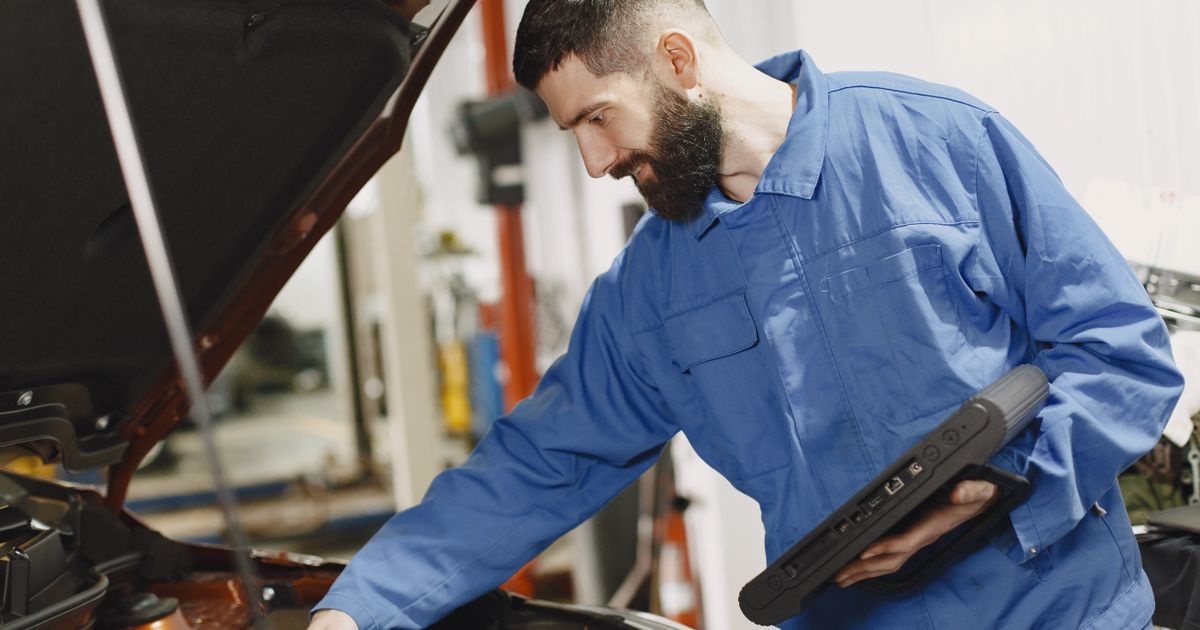
Photo: Gustavo Fring
Ready to Start Your Automotive Career Journey?
Embark on your path as an automotive technician and join a network of supportive professionals. Explore opportunities and connect with those who can guide you on your journey.
Explore CareersFrequently Asked Questions
What qualifications do I need to become an automotive technician in the UK?
Generally, you'll need an NVQ Level 2 or 3 in Vehicle Maintenance and Repair, or an equivalent qualification, along with hands-on experience.
How can I find automotive apprenticeships in the UK?
Apprenticeships are listed on platforms such as GOV.UK's apprenticeship service. Networking and checking company websites directly can also be effective.
What should I include in my CV for an entry-level technician job?
Highlight your technical skills, educational background, any relevant hands-on experience, and be clear on your willingness to learn.
How important is industry networking for a new automotive technician?
Networking is crucial. It provides opportunities for mentorship, job openings, and industry insights, which can significantly influence your career path.
Published on Sonder.Careers